IPAX for Enterprise: Make your Design System future-proof
Your Design System can be manageable again.
And scale across themes, products, platforms and AI-assisted workflows.
As Design Systems grow, so does their complexity. More themes, components, states and accessibility requirements mean more combinations to design, implement, test and maintain.
Consider a Design System with 2 modes, 6 surface contexts, 3 semantic groups, 2 densities, 4 button variants and 6 interaction states. For buttons alone, that’s 2 × 6 × 3 × 2 × 4 × 6 = 1,728 possible combinations.
Maintaining the system is a headache; auditing its accessibility, a project in itself. And AI makes this challenge even more critical: given a complex Design System, agents end up piling complexity up while hallucinating design decisions, relationships and constraints.
Reducing decision complexity
IPAX tackles this design problem with proven software engineering principles: abstraction, encapsulation, and composition rules that bring combinatorial complexity back under control.
The combinations stay. But the decisions needed to manage them now fit on a single screen.
With an implementation effort comparable to adding dark mode, IPAX turns your existing Design System into an Adaptive Design System: a single architecture that can accommodate new modes, themes, surface contexts and products without multiplying the decisions required to maintain them.
Your organization’s specific Design System is expressed through the IPAX grammar, making its underlying logic explicit, structured and reusable across tools, teams and AI-assisted workflows.
Governing contrast accessibility from a single screen
IPAX consolidates the color relationships that determine contrast compliance into an auditable view. When those relationships meet the required criteria, the resulting color combinations inherit that compliance across the Design System.
This architecture works as a supporting layer for your existing Design System, preserving the components, design decisions and workflows your team already relies on.
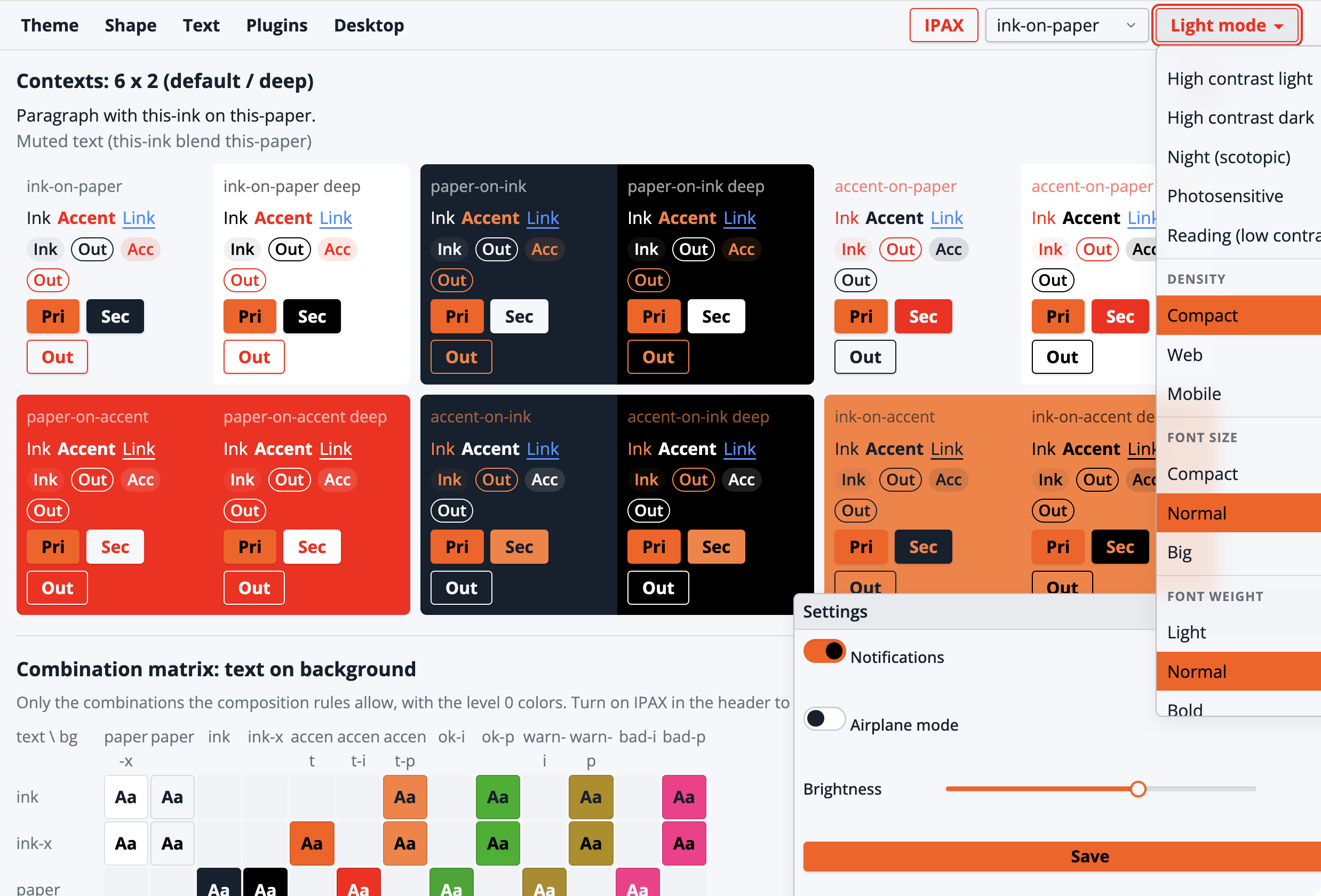
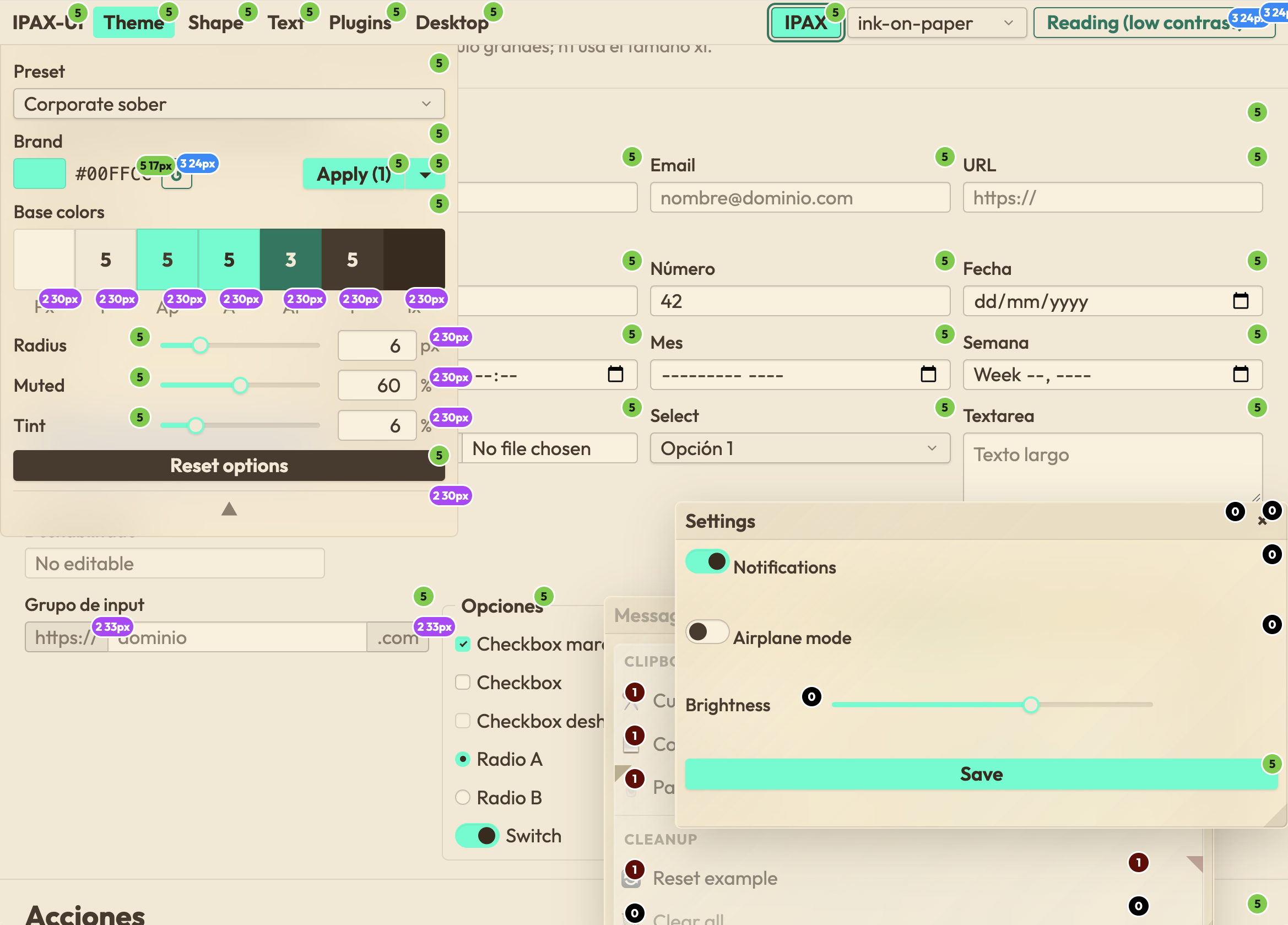
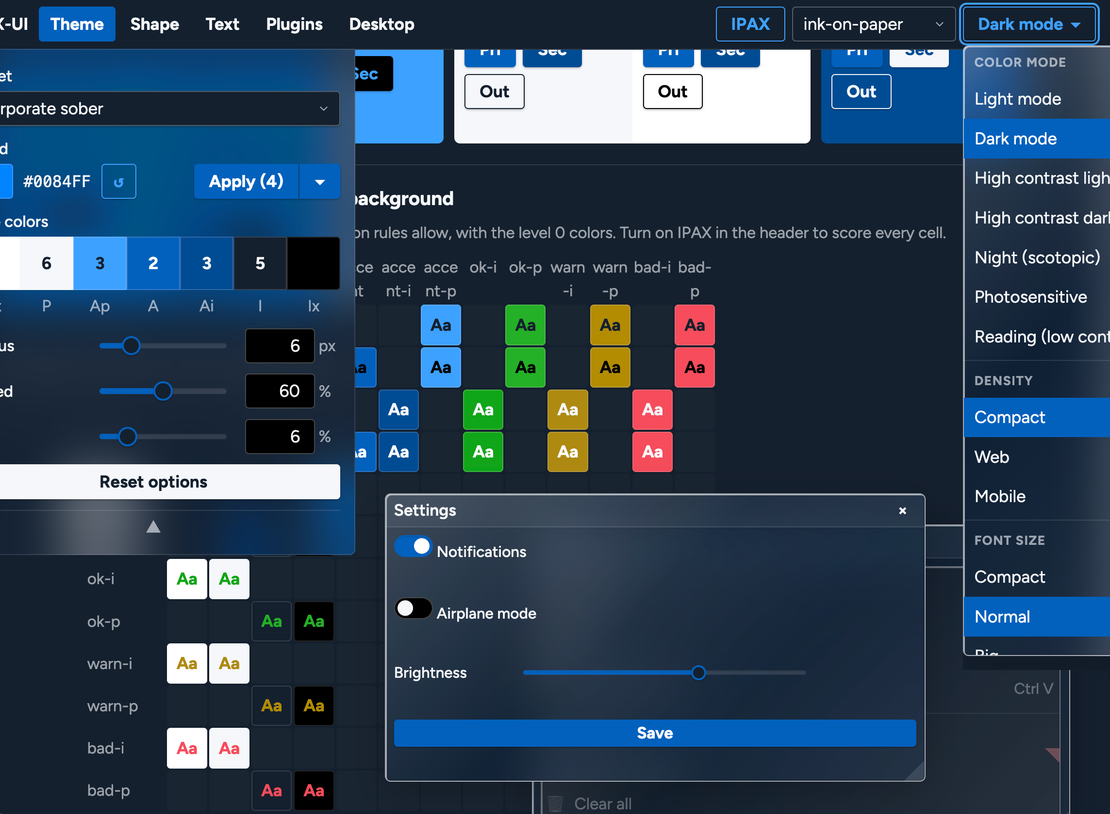
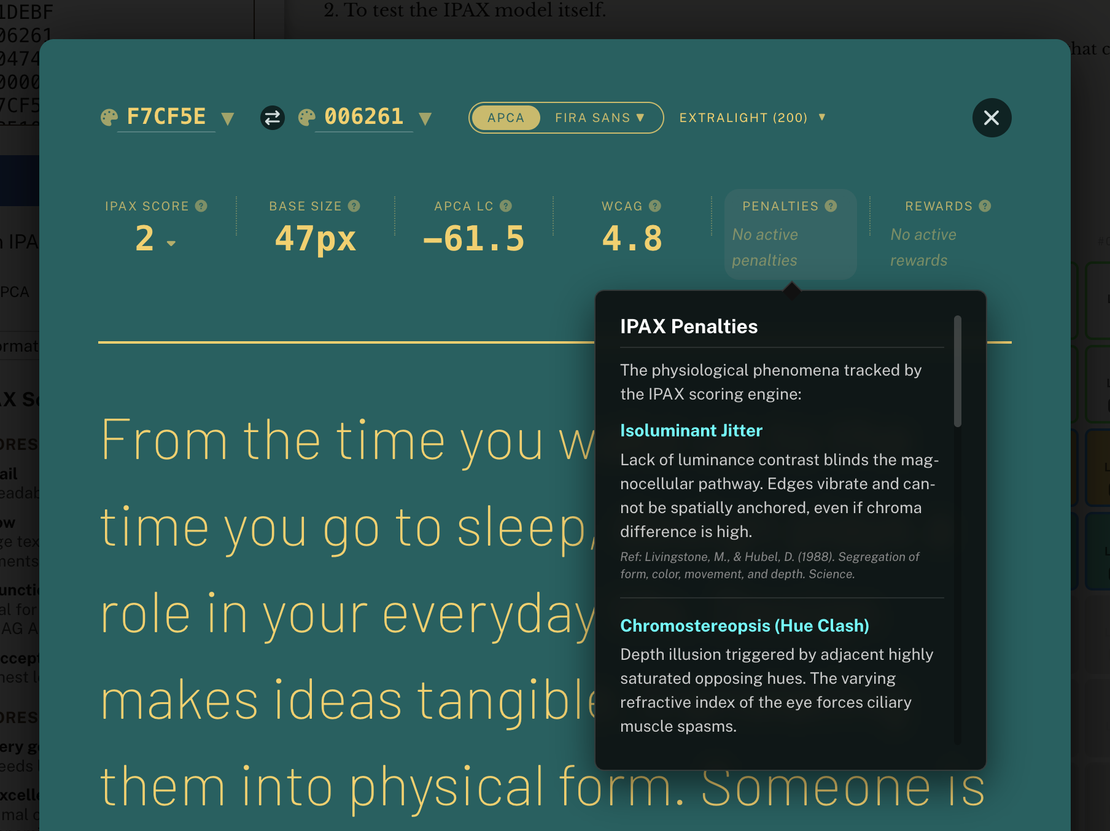
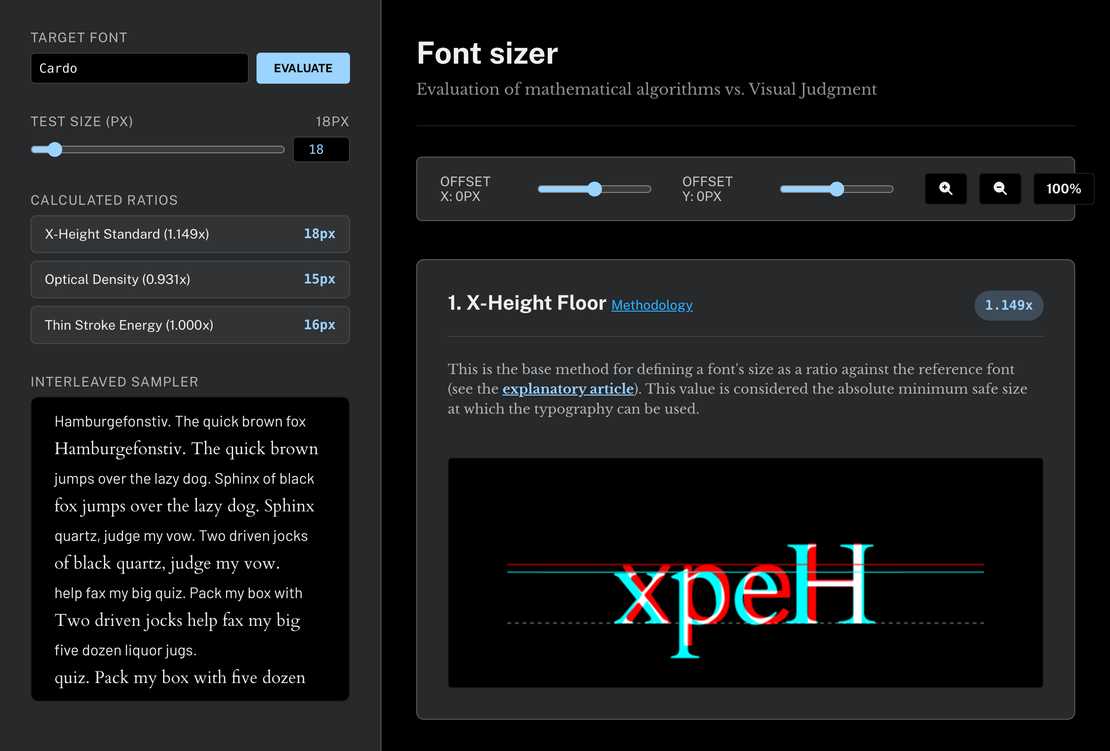
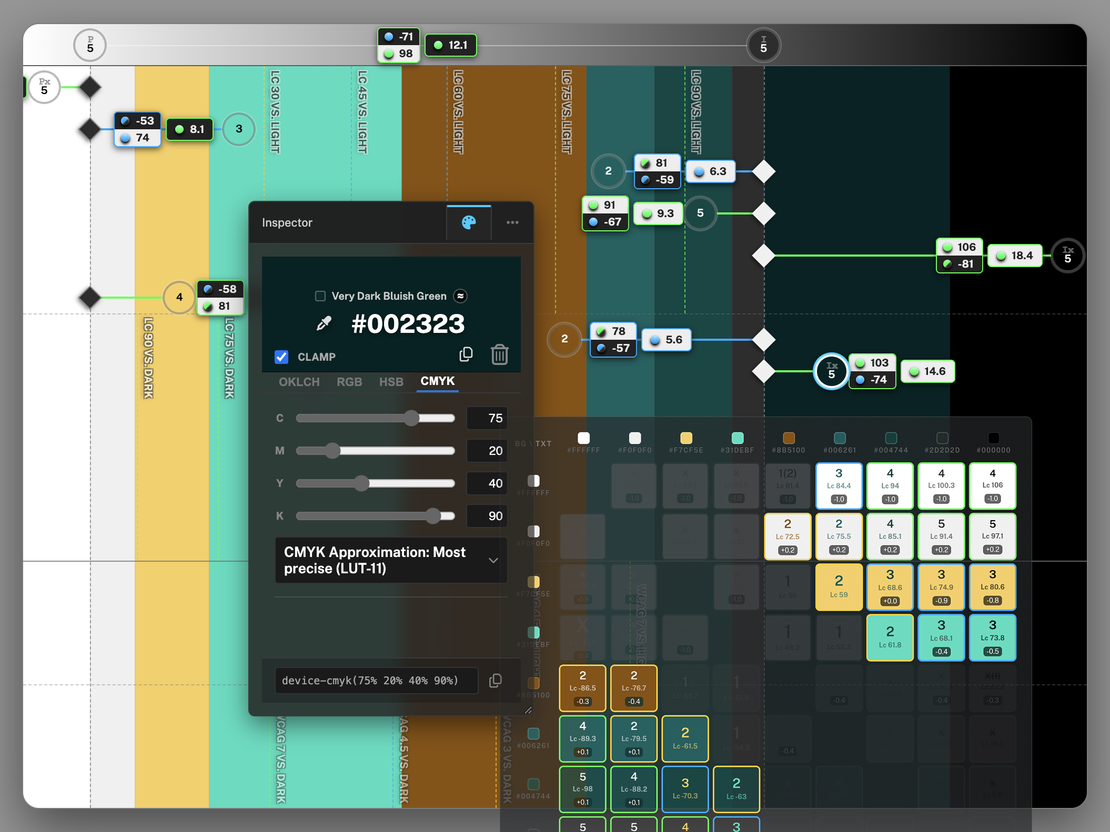
The IPAX System derives Design System variants from a manageable set of concrete decisions, with an accessible color and typography architecture designed around WCAG 2, APCA and optical ergonomics.
IPAX for Enterprise
Custom solutions, enterprise tools, specialized consulting and hands-on training.
From addressing specific accessibility or maintenance problems to refactoring existing components, developing dedicated tools and AI tooling integrations, and establishing a single source of truth for your Design System.
How we work
Your existing components and workflows are the starting point.
We examine your existing Design System and set up a concrete preview of how IPAX can address your challenges.
From that foundation, we define the scope, deliverables and implementation plan together.
Want to see what IPAX could do for your Design System? Request an Enterprise Demo.
Who we are
Kambrica is a UX consultancy founded by Santiago Bustelo, an interaction designer since 1996. He founded IxDA Buenos Aires in 2009 and served as the first IxDA Regional Coordinator for Latin America.
Over his career, he has given more than 100 talks and workshops in 24 cities, taught at 11 universities across Argentina, the US, Chile and Colombia, and served as a jury member for the Interaction Awards and MIT Innovators Under 35. Through Kambrica, he has led over 1,000 projects across more than 40 industries.
We’ve been working on the complexity of interface systems since before the term Design System existed. Back in 2011, we presented at Microsoft CodeCamp an approach to modular interface development and testing based on components, combinatorics and pairwise testing.
Today we develop and apply IPAX, presented at Rosenfeld Media, bringing software engineering principles and ergonomics research into Adaptive Design Systems, where accessibility and scalability are addressed at the architectural level rather than treated as separate implementation problems.